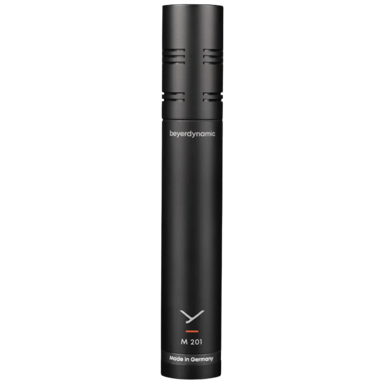
beyerdynamic M 201 Reviews: See Why 0 Shoppers Rated It 0 Stars!
Curious about the beyerdynamic M 201 microphone? Before you commit, see what 0 musicians thought about these beyerdynamic microphones — from real-world use to surprise letdowns.
 Supermod
 Moderator
 Recaptor
beyerdynamic M 201 Review – The Classic Dynamic Microphone That Still Stands Tall
The beyerdynamic M 201 is one of those rare studio tools that seem to defy time. First introduced in the 1960s, this microphone has managed to hold its place in the professional audio world for over six decades. That kind of longevity says something. In an age of digital trickery, built-in DSP, and flashy software integration, the M 201 is a no-nonsense, purely analog workhorse. It’s designed for engineers and musicians who value clarity, control, and consistency — without needing an instruction manual the size of a novel.
What makes the M 201 interesting isn’t just nostalgia. It’s the fact that it continues to be a staple in studios and live rigs worldwide. This dynamic microphone is versatile enough to handle drums, guitars, vocals, and even broadcast applications with equal confidence. Let’s take a closer look at what makes this mic so enduring, and why it might still be one of the smartest investments in your recording chain.
Detailed Specs & Features
At its heart, the dynamic design of the M 201 means durability and simplicity. It doesn’t rely on external power, DSP processing, or phantom voltage — just a straightforward coil and magnet system optimized for natural sound. Its hypercardioid pattern provides excellent isolation, focusing precisely on the sound source while minimizing bleed from nearby instruments. That’s one reason engineers often call it a “sniper mic” for drums and guitar amps.
The M 201 uses a small diaphragm capsule, known for its fast transient response and detailed capture of high-frequency content. This gives it a crisp, articulate sound — perfect for instruments that demand attack and precision, like snares or acoustic guitars. The 18 kHz upper frequency range ensures enough air and brightness without getting harsh, while the 40 Hz low end covers most instruments without excessive boom.
Connectivity is as straightforward as it gets — a standard XLR interface with a balanced analog output. There’s no need for phantom power or adapters. Despite its simplicity, the M 201 offers RF shielding to prevent interference from stage lights or wireless devices — a crucial detail often overlooked until it’s too late.
Physically, the microphone is built to last. Its metal body with a matte finish feels robust and professional, and the metal grill provides protection without affecting acoustic transparency. Measuring about 5.79 inches in height and weighing just half a pound, it’s easy to position even in tight drum setups. It’s also corrosion-resistant — a subtle but important detail if you’re working in humid environments.
Design & Build
The M 201’s minimalist, all-black design doesn’t draw attention to itself — and that’s part of its charm. It’s the opposite of flashy modern mics with LEDs and touch controls. Instead, every design choice serves a purpose. The matte coating helps reduce reflections under studio lights, while the foam-lined interior of the grill adds internal damping to manage plosives and mechanical noise. There’s no built-in shock mount, but its compact form means it’s easy to mount on any standard clip or boom arm.
What’s especially impressive is the lack of unnecessary extras. No buttons, no switches, no software pairing — just a solid microphone that does exactly what it’s supposed to. If anything, that simplicity makes it more reliable for live or remote recording sessions where fewer moving parts mean fewer problems.
Performance
On paper, the M 201’s specs paint the picture of a serious performer. The -58 dBV/Pa sensitivity indicates that it’s not overly hot — perfect for close-miking loud sources like snare drums or guitar amps. It can handle high SPL levels without distortion, and the transformerless design helps keep the sound clean and transparent. The 20 dB off-axis rejection ensures that unwanted room noise stays out of your recordings.
Because it’s a pressure-gradient mic with a fast transient response, it excels at reproducing attack and punch. For instance, snares come across with that satisfying “crack” while still preserving body. Acoustic guitars sound clear and balanced, and even vocals can benefit from its natural, neutral tone. It doesn’t flatter, it tells the truth — and sometimes, that’s exactly what you need in a mix.
Extra Features
While the M 201 doesn’t come with digital features like DSP or AI noise reduction, it does include a hum-compensating coil. This clever bit of engineering helps reduce electromagnetic hum from nearby power sources — something many older dynamic mics struggle with. The microphone also ships with practical accessories: a carrying case, mounting clip, adapters, and a protective foam insert. There’s even an optional WS101 windscreen available for outdoor or vocal use.
Pros & Cons
Pros
- Classic hypercardioid pattern with excellent isolation and clarity.
- Durable all-metal body and corrosion-resistant finish built for longevity.
- Fast transient response ideal for percussion and stringed instruments.
- Transformerless design and hum-compensating coil ensure clean output.
Cons
- No onboard switches or pads for quick tonal adjustments.
- Lacks built-in shockmount or pop filter, requiring extra accessories for best results.
Price & Value for Money
At around $449.99 at beyerdynamic.com, the M 201 sits in that middle ground between affordable workhorse mics and premium boutique models. Considering its build quality, precision engineering, and long-standing reputation, it’s fair to call it a strong value proposition. While it may not have the “wow factor” of modern condenser microphones with shiny LEDs, it absolutely competes in terms of sound integrity.
If you’re a studio engineer, drummer, or live sound professional who values reliability and tone consistency, this microphone pays for itself over time. On the other hand, casual podcasters or streamers might prefer a USB mic with built-in gain and monitoring — the M 201 is unapologetically professional, with no shortcuts.
Quick Take
The beyerdynamic M 201 remains one of the most dependable and neutral-sounding dynamic microphones you can buy. It’s compact, rugged, and purpose-built for serious recording environments. It doesn’t try to do everything — it just does one thing exceptionally well: deliver clean, isolated sound that engineers can trust.
Closing Recommendation
If you’re chasing vintage warmth or broadcast polish without extra coloration, the M 201 is a fantastic option. It bridges the gap between classic engineering and modern practicality, offering the kind of precision that makes it equally at home in a studio or on stage. For seasoned professionals, it’s an essential; for beginners, it’s a masterclass in what great mic design looks like.
Verdict
Rating: Based on the specifications and overall feature set, we believe the beyerdynamic M 201 deserves 4.6 out of 5.
- Winner Feature → Hypercardioid precision and fast transient response deliver remarkable instrument clarity.
- Needs Improvement → A built-in shockmount or low-cut switch would make it even more stage-friendly.
Reviews 0
The good, the bad, and the brutally honest.Average Rating


More Microphones 1229
Unlock more awesome finds.